Although sending Pakistan’s military chief to Tehran is a sign negotiators are trying to “narrow the gaps”, any agreement ultimately depends on Washington’s willingness to compromise, an analyst tells Al Jazeera. “If they show any sign of flexibility in relation to nuclear material, as well as the Strait of Hormuz, a deal could be within reach,” said Abas Aslani, a senior research fellow at the Tehran-based Center for Middle East Strategic Studies. “But if they insist on imposing unilateral terms on Iran, I think that would be near-to-impossible to expect any accord,” he added.

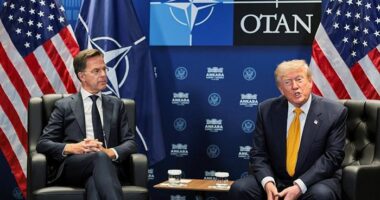


Iranian Basij militia commander killed in attack
Iran’s Basij militia commander Abdolrauf Eshaghi has been killed in what Iranian…
- Alina Hashmi
- September 8, 2026
Iran says finalised Russia deal to boost trade and ‘increase resilience to sanctions’
Iranian Finance Minister Seyed Ali Madanizadeh says Iran and Russia have reached…
- Alina Hashmi
- September 8, 2026
Israeli army kills four in a day in the occupied West Bank
As global focus on the war on Iran and the closure of…
- Alina Hashmi
- September 8, 2026
France to ban products from illegal Israeli settlements in West Bank: Foreign minister
France will launch a process to ban products from illegal Israeli settlements…
- Alina Hashmi
- September 8, 2026