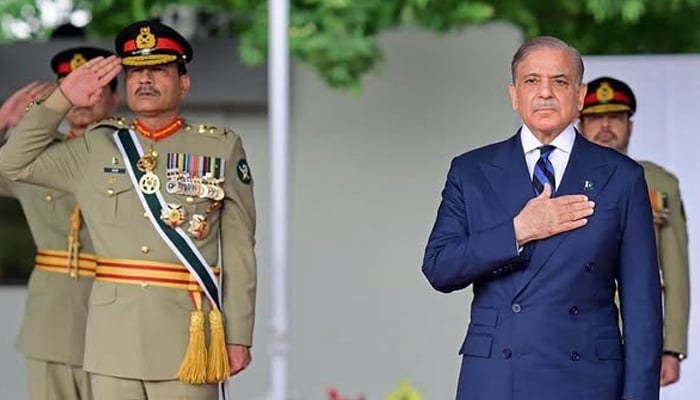
As tensions between Washington and Tehran kept escalating, Pakistan’s offer to mediate was initially met with scepticism. But Pakistan’s diplomacy, led by Prime Minister Shehbaz Sharif and Army Chief Field Marshal Asim Munir, laid the groundwork for what’s being termed as the “Islamabad Accord,” a two-phase framework for an immediate ceasefire followed by broader negotiations. “Pakistan achieved one of its biggest diplomatic wins in years,” said South Asia expert Michael Kugelman in an X post. “It also defied many skeptics and naysayers that didn’t think it had the capacity to pull off such a complex, high stakes feat.” Indian defence analyst Pravin Sawhney praised Pakistan’s mediation and gave the Pakistani prime minister a pat on the back.